
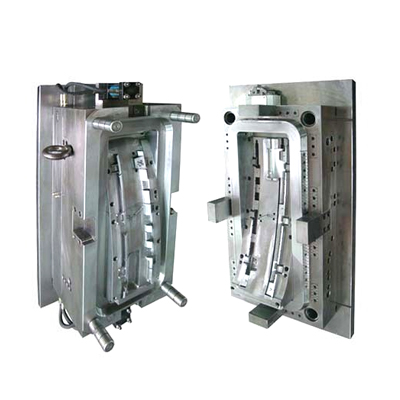
When it comes to selecting the injection moulding tool room, taking the right decision is highly important, as it directly affects product quality, development timelines, and long term production efficiency. A well-equipped and experienced tool room does much more than manufacturing moulds, as it offers a technical support to your product from concept to mass production. We believe that understanding a few key aspects can help you take a confident and informed choice for your project. Let’s discover through this blog how to choose the right injection moulding tool room for your project.
Evaluate tool room capability and experience
The first factor to evaluate is the overall capability of the tool room and the depth of its experience. A premium injection moulding tool room should have proven expertise across different product categories and mould complexities. Experience matters because every project brings unique challenges related to material flow, tolerances, shrinkage, and part geometry. When a tool room has handled diverse requirements, it can foresee potential issues early and suggest practical design improvements. We also recommend checking whether the tool room handles the entire process under one roof. Integrated facilities for design, machining, assembly, and trials ensure better coordination and accountability. This not only reduces lead time but also ensures that design intent is preserved throughout the manufacturing process.
Importance of design and engineering support
Strong design and engineering support is another decisive factor. A competent tool room does not simply execute drawings but actively participates in refining them. From mould design validation to material selection and cycle time optimization, engineering input plays a crucial role in achieving consistent results. When evaluating an injection moulding tool room, it is important to assess its use of modern design software and simulation tools. These technologies help identify issues related to part filling, warpage, and cooling before the mould is manufactured. We see this proactive approach as a sign of a partner that values precision and long term performance rather than quick fixes.
Quality standards and tool life commitment
Quality is not limited to the first few moulded parts as it reflects how long the tool performs reliably in production. A professional tool room follows strict quality control processes during machining, assembly, and testing. Attention to surface finish, dimensional accuracy, and alignment ensures smooth mould operation and minimal downtime. We suggest choosing a tool room that clearly communicates its quality standards and maintenance practices. Transparency about tool steel selection, heat treatment, and preventive maintenance shows commitment to tool longevity. This approach protects your investment and helps maintain consistent output over thousands or even millions of cycles.
Conclusion
From evaluating experience to engineering capability, quality focus to communication practices, everything is required. When these elements come together, the tool room becomes a strategic extension of your manufacturing process rather than only a supplier. At Paragon Products, we believe that choosing the right injection moulding tool room lays the right base for reliable production, consistent quality, and long term success.